
How to Choose a Toilet?
Choosing a toilet can be tricky for beginners, and it’s easy to be misled. Remember these 9 points to avoid pitfalls! If you choose a toilet poorly, issues like excessive water usage, noisy flushing, and stained glaze are minor compared to the real frustrations of frequent clogs and unpleasant odors from faulty components. Today, we’ll cover both how to choose a toilet and how to clean it. Here’s a guide to choosing the right one:
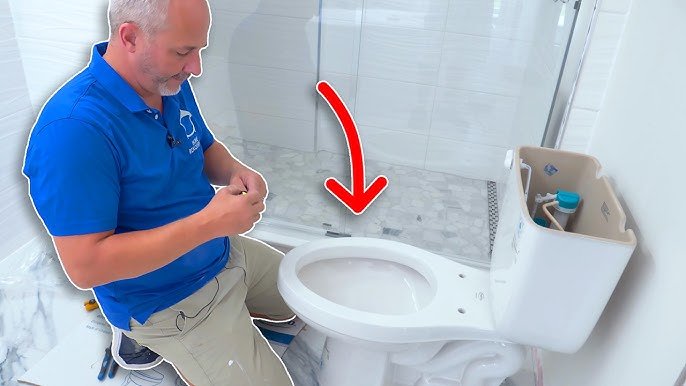
Remember these 9 points, and you’ll be an expert—no one can mislead you!
1. Choose a Fully Glazed Toilet
- Pipe Material: Besides the drainage system, the most direct factor affecting clogging is the material of the internal pipes. Rough pipes are more likely to trap waste and accumulate urine scale, leading to increasing deposits and slower drainage over time. When choosing a toilet, opt for one with fully glazed pipes.
- How to Check: Feel inside the S-bend with your hand. It should be as smooth as the inside of the toilet bowl. If you feel any roughness, it means the S-bend is not glazed, and you should avoid that toilet.
- Glaze Quality: The glaze material is also crucial. Choose a self-cleaning glaze that is smooth, non-porous, and resistant to stains.
- Test Method: Draw a few lines with a marker on the glaze. Do not wipe them off immediately; let them sit for three minutes before wiping. If the marks can be easily removed with a cloth, it indicates a self-cleaning glaze (if you can draw on it, it should be fine).
2. Firing Temperature
- Toilets fired at 800°C may not achieve complete vitrification of the glaze, which can lead to yellowing and cracking. Choose toilets fired at 1280°C for complete vitrification of the glaze, ensuring a smooth surface that is less prone to discoloration and has a longer lifespan.
- How to Check: Use a flashlight to inspect the toilet surface. Look closely for snowflake-like patterns. If present, it indicates a high-quality snowflake glaze toilet.
3. Water Seal Height
- Avoid toilets with a water seal height of 70mm or more, as too much water can make the distance from the water seal to the toilet rim too close, leading to splashes. Likewise, a water seal height that is too low can affect flushing power.
- Recommended Height: Approximately 50mm for effective splash prevention, odor control, and no backflow.
4. Pipe Diameter
- Check both the diameter of the sewage outlet and the S-bend pipe. A wider diameter ensures easier waste removal.
- Ideal Diameter: Around 45mm to 60mm. A diameter that is too large may affect suction power, so balance is key.
5. Toilet Weight
- For the same volume, heavier toilets typically have higher density and finer ceramic quality. It is recommended to choose toilets weighing over 100 pounds rather than those under 80 pounds.
- How to Check Weight: Try lifting the toilet or, if you’re unable, feel the weight of the toilet seat. Additionally, examine the interior color of the seat. Lighter colors indicate purer raw material, and a crisp sound when tapped suggests higher quality.
6. Toilet Seat
- Material Choice: For a high-quality, non-discoloring seat, choose a material that suits your needs. If you live in a region with significant temperature fluctuations or have heavier household members, a PP material seat offers better temperature adaptability, durability, and cost-effectiveness.
- Additional Features: Choose a seat with damping features for quiet closing and one that is easy to remove for replacement if necessary.
7. Flushing Mechanism
- Opt for a siphon vortex flushing system, which provides strong, effective cleaning.
- Avoid: Direct flush and jet siphon systems. Direct flush systems can be noisy and splash water, while jet siphon systems with multiple small holes are harder to clean.
- Water Efficiency: Check for water efficiency labels. The highest efficiency is grade one, which uses about 3.5 liters for a small flush and 5 liters for a large flush. Grade two uses about one liter more.
- Noise Level: Good toilets should have a flushing noise around 40-50 decibels. The national standard is 60 decibels.
8. Water Components
- As one of the most commonly malfunctioning parts, check water components carefully: verify if they are genuine factory products, check for burrs, and assess overall quality.
- How to Check: Press the components repeatedly to ensure they produce a clear, crisp sound without sticking and have good rebound strength. Components from reputable brands usually come with a three-year warranty; a one- or two-year warranty may indicate lower quality.
9. Sealing of the Sewage Outlet
- Choose a toilet with a single, well-sealed sewage outlet to prevent odor leakage. Avoid toilets with two outlets, as these often have poorer sealing.
- Reason for Two Outlets: Two outlets are usually designed by manufacturers to fit different pit distances and save on molds and processes, a practice more common in smaller manufacturers. Stick with reputable brands to avoid being misled.